How Does a Root Canal Save Your Tooth?
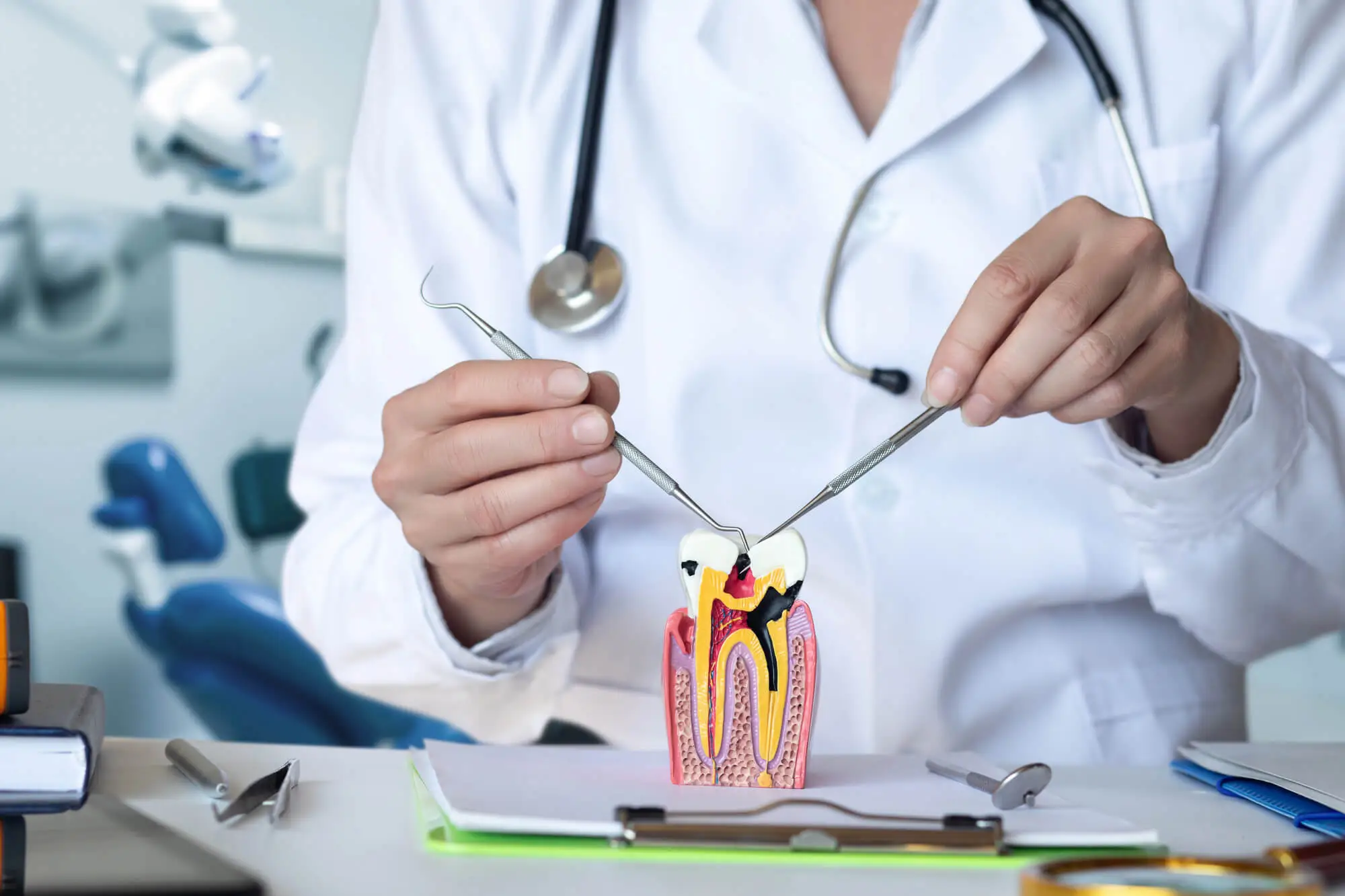
Is a tooth throbbing, keeping you up at night, or hurting every time you bite down? That kind of pain usually means the soft tissue inside the tooth is inflamed or infected, and a root canal is often what stands between you and losing the tooth.
If your dentist has recommended one, it's natural to wonder whether it's worth it. In most cases it is: a root canal removes the infection, stops the pain, and lets you keep your natural tooth instead of replacing it with an implant or bridge. Here's how the treatment works and why saving the tooth matters.
Already know you need treatment? Learn about root canal treatment in Queens at our Kew Gardens office.

Why an Infected Tooth Can't Heal on Its Own
Beneath the hard outer layers of every tooth is the pulp, a soft core of nerves and blood vessels. When bacteria reach it through deep decay, a crack, or an injury, the pulp becomes inflamed or infected.
Unlike a cut on your skin, the pulp sits inside a rigid shell with very little room to swell and a limited blood supply, so once the damage is advanced, it can't recover. Antibiotics may calm the surrounding swelling for a while, but they can't reach the infection inside the tooth, which is why the pain often comes back.
Left alone, the infection can spread to the bone around the root and form an abscess, and in some cases lead to losing the tooth entirely. Sometimes the pain even fades as the nerve dies, but the infection is still there.
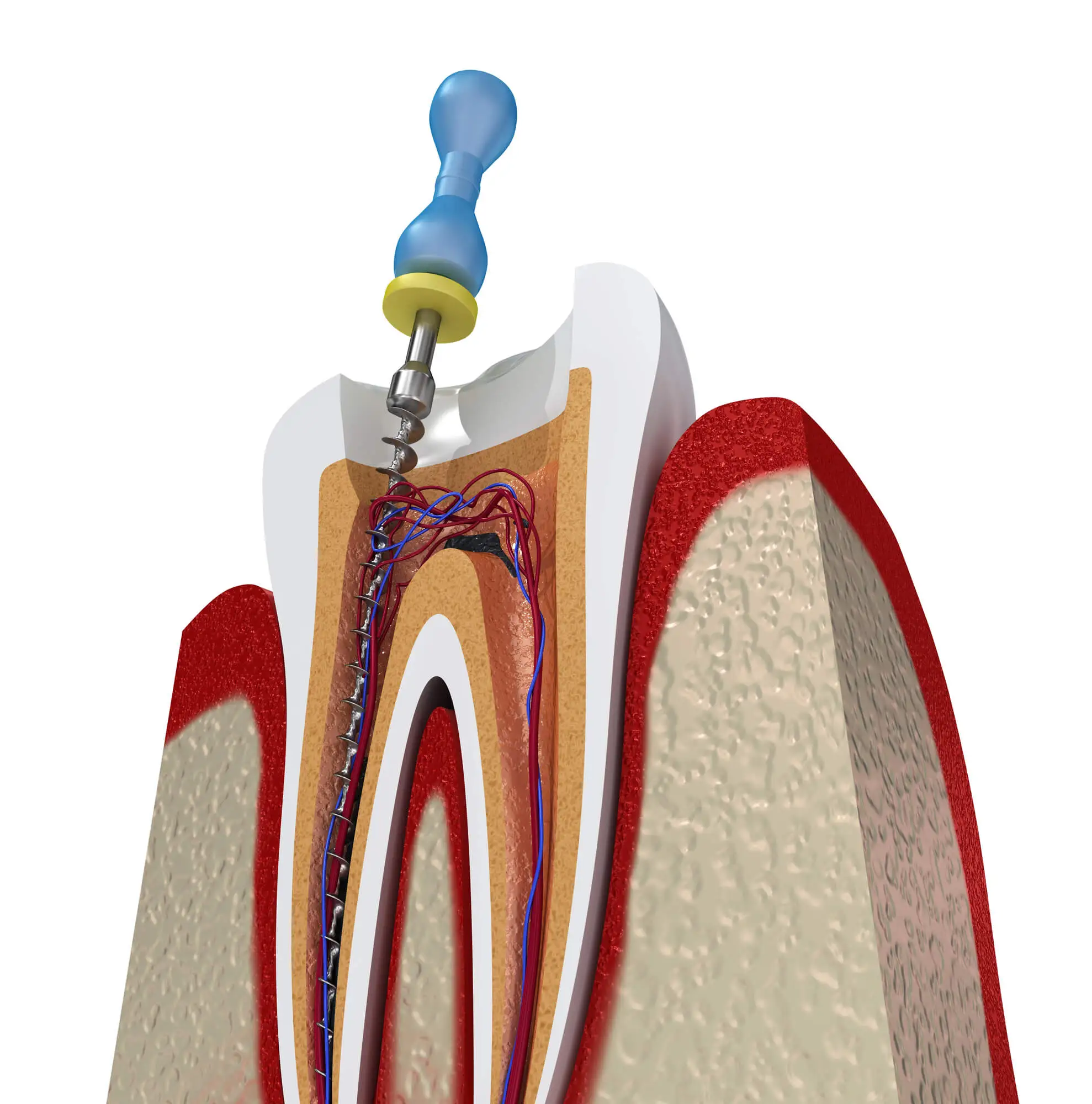
A root canal removes the damaged pulp, disinfects the inside of the tooth, and seals it so bacteria can't get back in. The tooth itself stays in place and keeps working like any other tooth.
Signs a Tooth May Need a Root Canal
Not every toothache means you need a root canal, but these signs suggest the pulp may be damaged:
- Sensitivity that lingers. A quick zing from cold water that fades right away is often just sensitive teeth. Pain from hot or cold that lasts after the food or drink is gone is more concerning.
- Pain when you bite or chew, especially if it's focused on one tooth.
- A toothache that wakes you up or throbs without any trigger.
- A small, pimple-like bump on the gums near the tooth, which can be a sign of an abscess.
- Swelling or tenderness in the gums or face around the tooth.
- A tooth that has darkened after an injury or over time.
Some infected teeth cause no symptoms at all and only show up on an X-ray, which is one reason regular checkups matter. If any of these signs sound familiar, see a dentist soon. The earlier an infection is treated, the better the chance of saving the tooth.
What to Expect During a Root Canal
For most people, a root canal feels much like getting a large filling. Here's what the visit typically looks like:
- Exam and X-rays. Your dentist confirms the pulp is the problem and checks the shape of the roots.
- Numbing. The tooth and surrounding area are fully numbed. Most patients feel pressure, not pain.
- Cleaning out the tooth. A small opening is made in the top of the tooth, and the damaged pulp is removed from the inside.
- Disinfecting and shaping. The tiny canals inside the roots are cleaned and shaped so they can be sealed properly.
- Sealing. The canals are filled with a rubber-like material called gutta-percha to keep bacteria out.
- Protecting the tooth. Back teeth especially usually need a crown afterward, because a treated tooth can become brittle.
Afterward, it's normal for the area to feel tender for a few days. Over-the-counter pain relievers usually handle it, and most people are back to normal activities the same day.
Why Saving Your Natural Tooth Is Usually the Better Choice
When a tooth is infected, removing it can seem like the simpler fix. But if the tooth can be saved, a root canal usually comes out ahead of an extraction:
- Your natural tooth works best. No replacement fully matches the feel and chewing strength of your own tooth.
- Nearby teeth stay in place. After an extraction, neighboring teeth can drift into the gap and throw off your bite.
- The jawbone stays healthy. The bone that held a missing tooth gradually shrinks over time.
- Fewer procedures overall. Replacing a lost tooth with an implant or bridge usually takes more visits and costs more than saving it.
Some teeth are too badly broken or infected to save, and in those cases extraction followed by a replacement is the right call. An exam and X-rays will show which situation you're in.
Don't Wait on Tooth Pain
A tooth that needs a root canal won't get better on its own, and waiting can turn a saveable tooth into one that has to be pulled. If you're dealing with any of the signs above, our team at Kew Gardens Dental Arts can find the cause and walk you through your options. Learn more about our root canal treatment in Queens or book an appointment.
What Our Kew Gardens, NY Dental Patients Are Saying
Call or Book an Appointment at Our Kew Gardens Dentist Office Serving Queens, NY
Learn more about all of our Kew Gardens dental services and modern technology.
(718) 441-0049Book Now