What Happens if a Root Canal Infection Spreads?
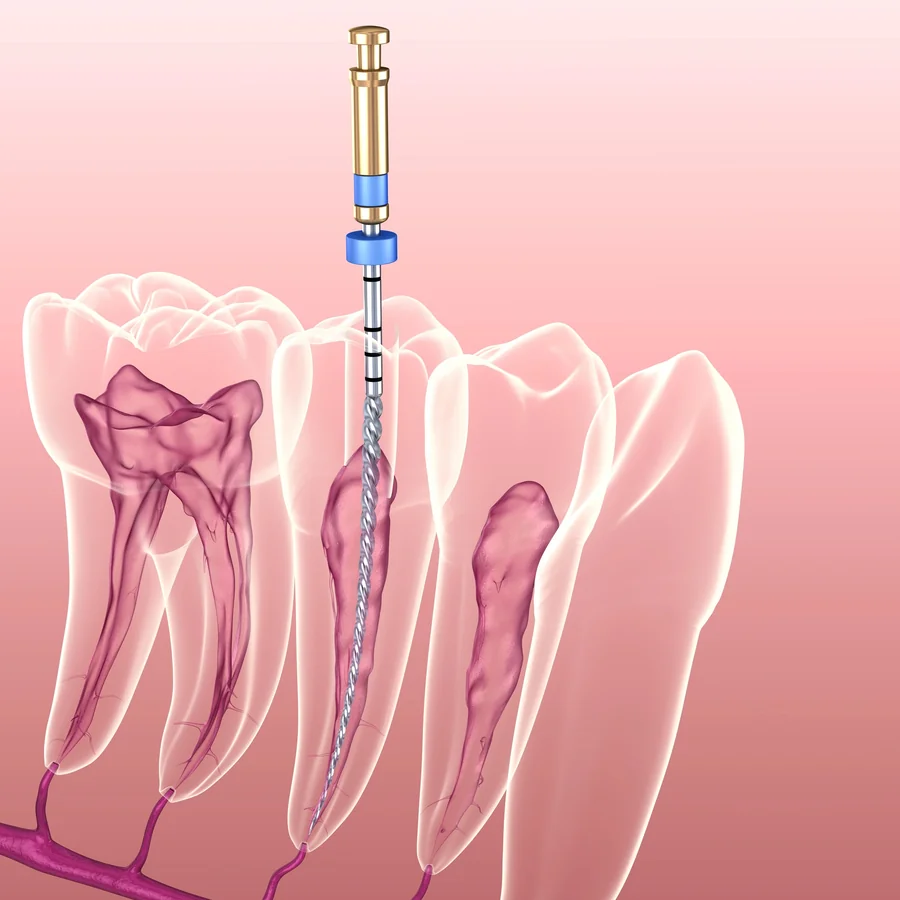
A tooth infection rarely stays put. When bacteria reach the soft tissue inside a tooth and aren't treated, they can work their way out through the root and into the surrounding bone, gums, and even the face. Many people wait, hoping the pain will settle down, but a quieter tooth doesn't always mean a healthier one. Here's how a tooth infection progresses, the signs that it may be spreading, and when tooth pain becomes an emergency.

How a Tooth Infection Starts
The center of every tooth holds the dental pulp, a soft tissue made up of nerves and blood vessels. Deep decay, a crack, an old filling that has started to leak, or an injury can let bacteria into the pulp. Once they're inside, the pulp becomes inflamed and eventually infected.
Early on, the signs can be easy to brush off: sensitivity that lingers after hot or cold food, or a twinge when you bite down. Because the pulp sits inside a hard shell, it can't heal once the infection takes hold. We explain why in How Does a Root Canal Save Your Tooth?
How the Infection Spreads Beyond the Tooth
An untreated infection typically moves outward in stages:
- Inside the tooth. Bacteria multiply in the pulp, and the nerve may begin to die. Sometimes the pain fades at this point, which leads people to think the problem is gone.
- At the root tip. The infection passes through the end of the root into the jawbone and causes inflammation there. Biting down often becomes painful.
- A dental abscess forms. A pocket of pus builds up near the root. You may see a bump on the gums, notice a bad taste as it drains, or feel pressure and throbbing.
- Into the surrounding tissues. Left untreated, the infection can spread into the soft tissues of the face, cheek, or jaw and cause visible swelling.
The further the infection travels, the more complex treatment becomes, and the less likely it is that the tooth can be saved.
Signs a Tooth Infection May Be Spreading
Watch for these signs, especially if you already have a sore or sensitive tooth:
- Swelling in the gums, cheek, or jaw
- A pimple-like bump on the gums that may leak fluid
- A persistent bad taste or bad breath that doesn't go away with brushing
- Tender, swollen glands under the jaw or in the neck
- Pain that spreads to your ear, jaw, or head
- Fever or a general feeling of being unwell
When a Tooth Infection Is an Emergency
Most tooth infections can be treated at a regular appointment, but some need attention the same day. Call an emergency dentist right away if you have facial swelling that's getting worse, a fever with tooth pain, or trouble opening your mouth.
If swelling makes it hard to breathe or swallow, go to the emergency room or call 911. These can be signs that the infection is spreading into the neck, which needs urgent medical care.
Why Early Treatment Makes a Difference
Treated early, an infected tooth can usually be saved with a root canal: the infected pulp is removed, the inside of the tooth is disinfected, and it's sealed to keep bacteria out. Waiting gives the infection time to damage the surrounding bone. That can mean more involved treatment, a longer recovery, or losing the tooth altogether.
Antibiotics may be prescribed to control a spreading infection, but they can't clear the bacteria inside the tooth on their own. The source still has to be treated.
How to Lower Your Risk of Future Infections
Most tooth infections start with a problem that could have been caught early:
- Brush twice a day with fluoride toothpaste and floss daily.
- Keep up with regular dental exams and cleanings.
- Get cavities, cracked teeth, and worn fillings treated promptly.
- Wear a mouthguard for sports, and a nightguard if you grind your teeth.

Have a Tooth That Won't Settle Down?
If you're noticing any of the signs above, it's worth having the tooth checked before the infection has a chance to spread. At Kew Gardens Dental Arts, we'll find the source of the problem and explain your options. Learn more about our root canal treatment in Queens or book an appointment.
What Our Kew Gardens, NY Dental Patients Are Saying
Call or Book an Appointment at Our Kew Gardens Dentist Office Serving Queens, NY
Learn more about all of our Kew Gardens dental services and modern technology.
(718) 441-0049Book Now